So, you’ve got your shiny new telescope and you’re ready to dive into the cosmic ocean. But where do you start? The night sky can seem as vast and intimidating as that big box of assorted chocolates – you know there are good things in there, but which one do you try first? Fear not, we’ve compiled a list of the top 10 night sky objects that are perfect for beginners. These celestial wonders are like the cosmic equivalent of those chocolates with the little map – easy to find and guaranteed to satisfy.
Why These Objects?
Before we launch into our stellar top 10, let’s talk about why these particular objects made the cut. We’ve chosen these celestial sights based on a few key factors:
Visibility: These objects are bright enough to see with beginner equipment.
Ease of finding: You won’t need a PhD in celestial navigation to locate these.
Wow factor: Each of these objects has something special that’ll make you go “Ooh!” or “Aah!” (or both).
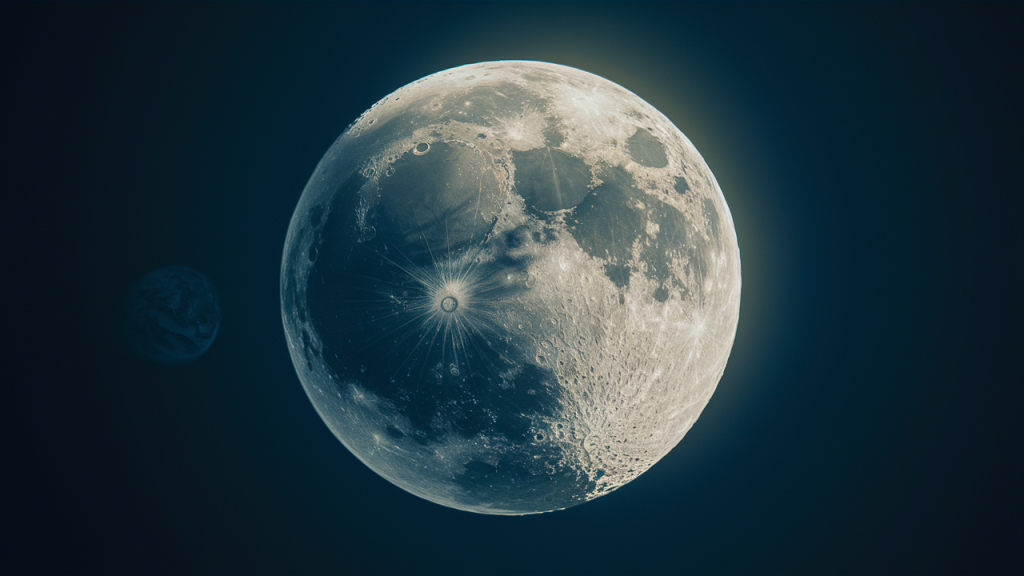
The Moon:
It’s big and bright – you can’t miss it!
Tons of detail visible even with small telescopes or binoculars
Changing phases mean there’s always something new to see
Focus on the terminator (the line between light and dark), where shadows make craters and mountains stand out. Can you spot the “Man in the Moon”? Or perhaps you prefer the “Rabbit in the Moon”?
Jupiter: The King of Planets
Bright and easy to find
Four largest moons visible even in small telescopes
Cloud bands visible with moderate magnification
Watch the dance of Jupiter’s four largest moons – Io, Europa, Ganymede, and Callisto. Can you spot the Great Red Spot? (Spoiler: It’s not always visible, but when it is, it’s pretty great!)
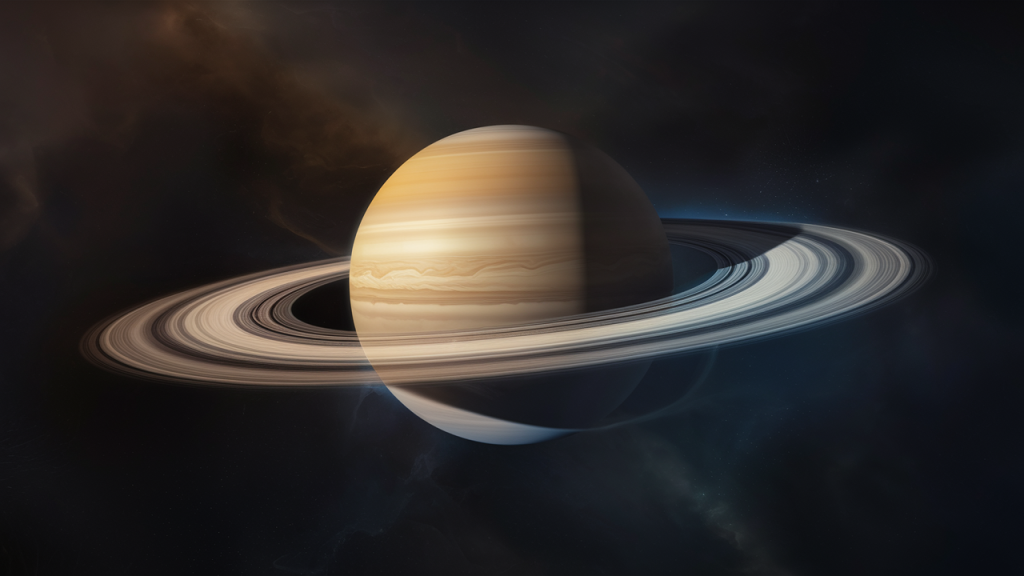
Saturn: The Cosmic Showoff
Those rings! Need we say more?
Visible even in small telescopes
Guaranteed to make you say “Wow!”
Obviously, the rings are the main attraction. But can you spot Titan, Saturn’s largest moon? It’s like a tiny star next to the ringed wonder.
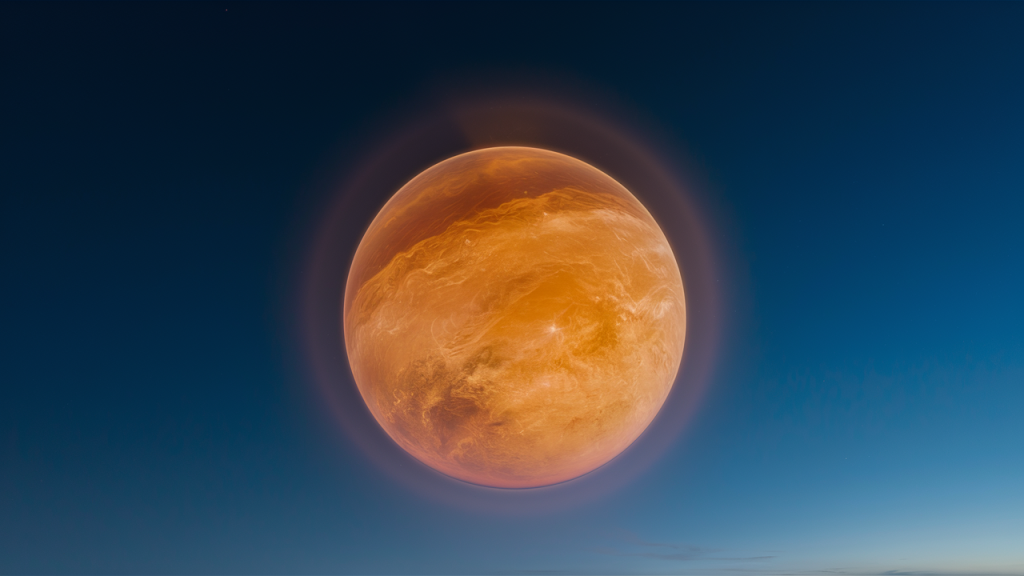
Venus: The Evening
Venus is like that friend who's either super early or fashionably late to the party - you'll find it in the early evening or early morning sky.
Brightest planet in the sky
Shows phases like the Moon
Great for early birds and night owls alike
Watch Venus change phases over time. Can you catch it as a thin crescent? It’s the closest we’ll get to seeing an “alien world” in our own solar system!
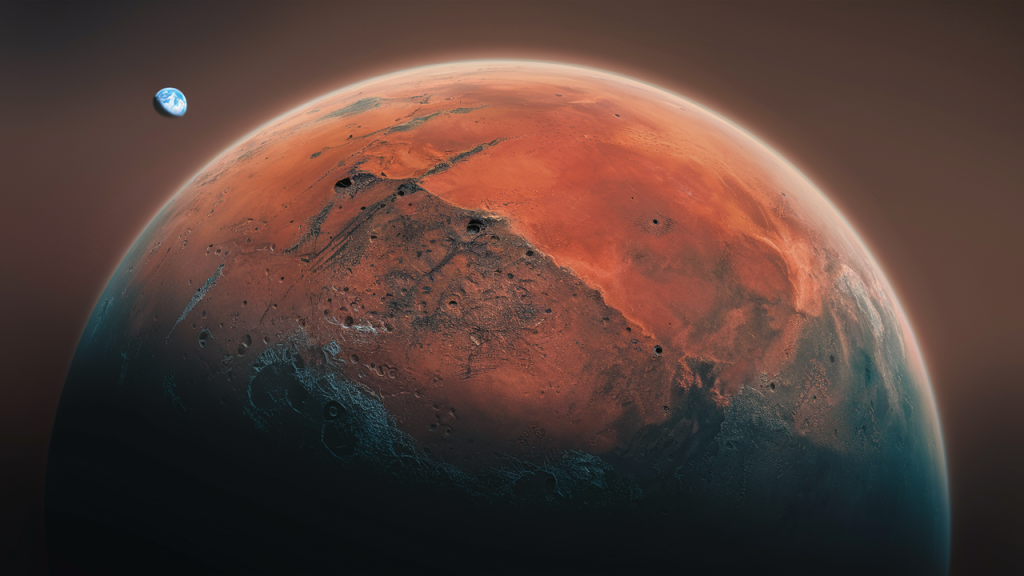
During close approaches, look for dark surface markings and the white polar caps. Just don’t expect to see any little green men waving back!
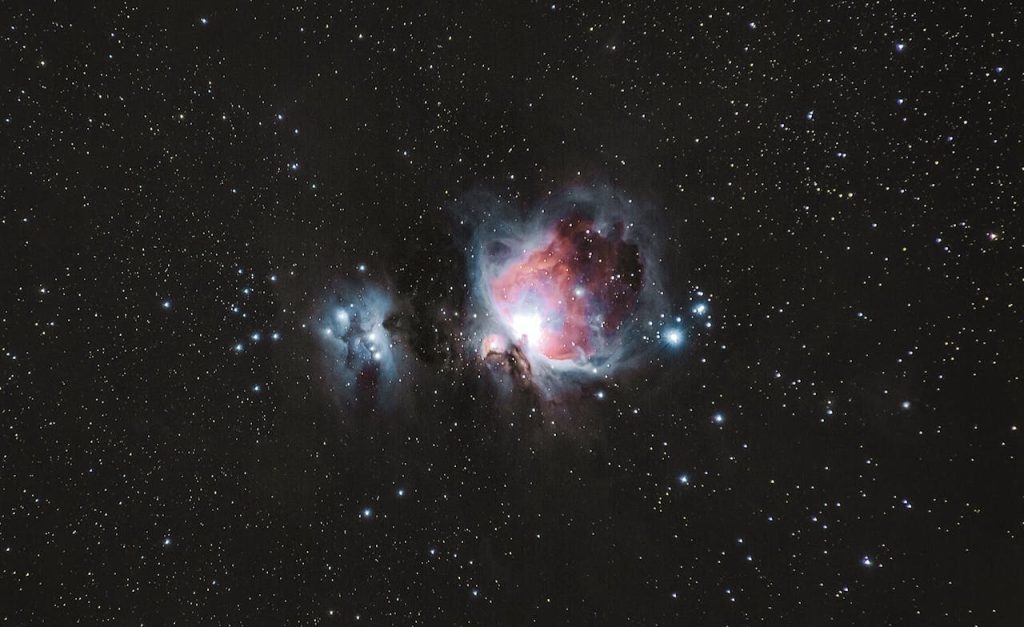
Orion Nebula (M42)
Now we're venturing beyond our solar system into the realm of deep-sky objects. The Orion Nebula is like a cosmic delivery room where new stars are born.
Bright and easy to find in Orion’s sword
Visible even in light-polluted skies
A glimpse into stellar formation
Look for the overall shape of the nebula and the trapezium of stars at its heart. Can you see any color? Some observers report a greenish tinge.
Pleiades (M45)
The Pleiades is like a cosmic jewel box, a cluster of bright, young stars.
Visible to the naked eye
Beautiful in binoculars or a small telescope
Steeped in mythology from cultures around the world
Count how many stars you can see with your naked eye. Then look through binoculars or a telescope – prepare to be dazzled!
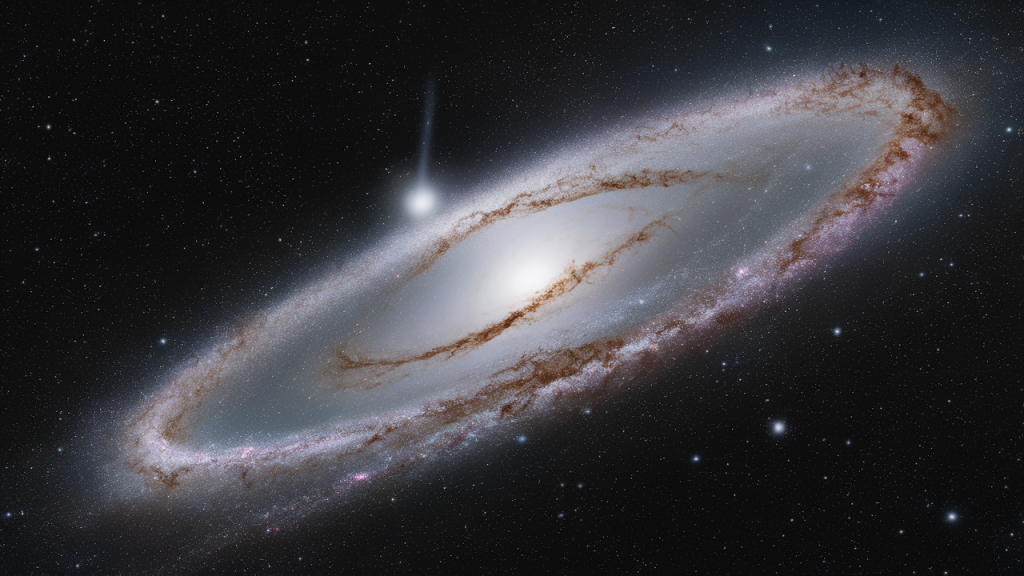
The Andromeda Galaxy is the farthest object visible to the naked eye - a whole other galaxy, right there in your sky!
Our nearest large galactic neighbor
Visible as a faint smudge to the naked eye in dark skies
A glimpse into the vastness of the universe
Look for the overall shape of the galaxy. Can you spot its bright core? With a larger telescope, you might even see its companion galaxies!
Double Cluster in Perseus
The Double Cluster is like cosmic twins - two star clusters for the price of one!
Beautiful in binoculars or a small telescope
Two clusters in one field of view
A stunning sight even from light-polluted areas
Observe the difference in star colors between the two clusters. Can you spot any patterns in the star arrangements?
Albireo: A Colorful Double Star
We'll end our journey with Albireo, a beautiful double star in the constellation Cygnus.
Striking color contrast between its two stars
Easy to split even in small telescopes
A reminder that not all stars are alike
Focus on the color contrast between the two stars. One appears golden, the other blue. It’s like a cosmic sapphire and topaz!
There you have it – your top 10 night sky objects for beginners. These celestial wonders are your gateway to the universe, your first steps on a journey that could last a lifetime. Remember, the key to enjoying astronomy is patience and persistence. Some nights the seeing will be perfect, other nights… well, let’s just say the universe has a sense of humor.


 By
/ 20/08/2024
By
/ 20/08/2024