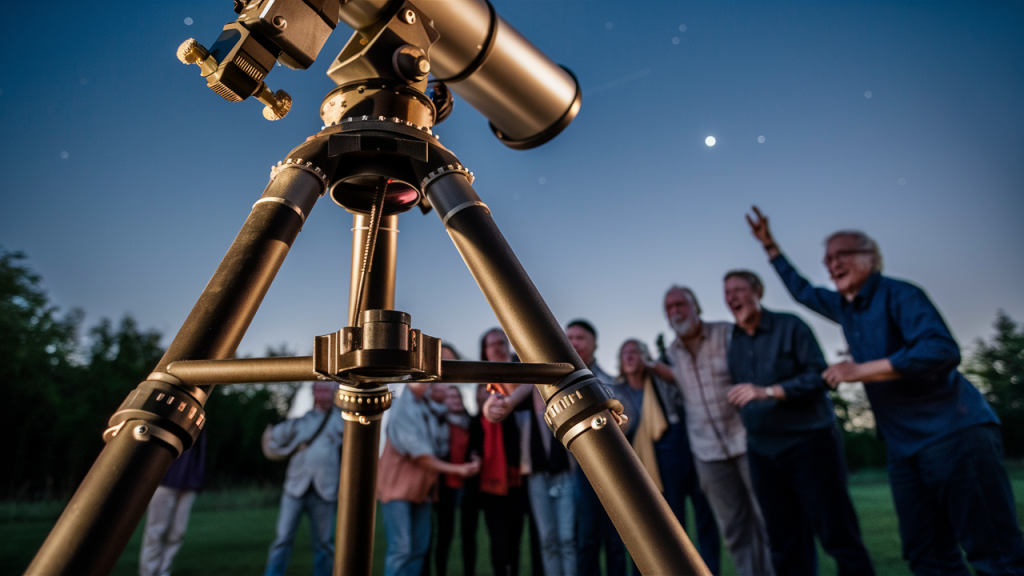
Telescope maintenance is crucial for any astronomer who wishes to enjoy clear and precise views of the night sky. Proper care and storage of your telescope’s optics, including lenses and mirrors, can significantly enhance its performance and longevity. This article will guide you through the essential steps to store, clean, and maintain your telescope, ensuring it remains in optimal condition for years of stargazing.
Essential Telescope Maintenance:
Keep Your Telescope in Optimal Condition
Telescope maintenance is crucial for any astronomer who wishes to enjoy clear and precise views of the night sky. Proper care and storage of your telescope’s optics, including lenses and mirrors, can significantly enhance its performance and longevity. This article will guide you through the essential steps to store, clean, and maintain your telescope, ensuring it remains in optimal condition for years of stargazing. Whether you are a beginner or an experienced stargazer, mastering telescope maintenance is key to extending the life and performance of your equipment.
For more details about specific telescope models, check out our comprehensive telescope reviews.
How to Properly Store Your Telescope?
Choosing the Right Place to Store Your Telescope
When it comes to storing your telescope, selecting the right location is paramount. Ideally, you should store your telescope in a dry, cool place to prevent moisture from damaging the optics. A closet or a dedicated storage room can be excellent choices. Ensure the area is free from dust particles, as these can settle on the lenses and mirrors, affecting the clarity of your observations. Additionally, keep your telescope away from direct sunlight, which can cause the materials to degrade over time.
Proper storage is a key aspect of telescope maintenance. Using protective covers for your telescope’s optics shields the lenses and mirrors from dust and potential scratches. If you have a refractor or reflector telescope, make sure the covers fit snugly to avoid any gaps. Furthermore, storing your telescope in an upright position on a sturdy tripod can prevent accidental knocks and falls, which could damage the delicate optical components. By taking these precautions, you can ensure your telescope remains in excellent condition between uses.
For more tips on choosing the right telescope accessories, check out our telescope accessories guide.
Environmental Factors to Consider When You Store a Telescope.
Environmental factors play a significant role in the longevity of your telescope. Humidity and temperature control are vital components of telescope maintenance. Humidity is a primary concern, as it can lead to the formation of mold and mildew on the optical surfaces. To mitigate this risk, consider using a dehumidifier in the storage area. Temperature fluctuations can also affect your telescope, causing expansion and contraction of the materials. Aim to store your telescope in a location with stable temperatures to avoid these issues.
Another critical factor is the presence of dust and airborne particles. These can settle on your telescope’s optics, leading to smudges and scratches when you attempt to clean them. Using a dust cover or a sealed storage container can help keep your telescope free from these contaminants. Additionally, avoid storing your telescope near chemicals or cleaning solutions, as fumes can damage the optical coatings. By being mindful of these environmental factors, you can prolong the life and performance of your telescope.
Using a Tripod for Safe Storage
Storing your telescope on a tripod is an effective way to ensure its safety and stability. A tripod provides a secure base, preventing the telescope from tipping over and sustaining damage. When choosing a tripod, opt for one that is sturdy and well-built, capable of supporting the weight of your telescope. Adjustable tripods are particularly useful, as they allow you to position the telescope at a comfortable height for storage and use.
In addition to stability, a tripod can also help keep your telescope’s optics clean. By elevating the telescope off the ground, you reduce the risk of dust and debris settling on the lenses and mirrors. Make sure to lock the tripod’s legs in place to prevent any accidental movement. If you need to transport your telescope, a tripod with quick-release mechanisms can make the process easier and safer. Overall, using a tripod as part of your telescope maintenance routine is a practical way to protect your telescope and maintain its performance.
What Are the Best Practices for Cleaning Telescope Lenses?
Essential Tools for Cleaning Telescope Lenses
Cleaning telescope lenses requires specific tools to ensure the optics are not damaged. A lens cleaning kit is an essential investment for any astronomer. This kit typically includes a blower, lens cleaning tissues, a microfiber cloth, and a cleaning solution. The blower is used to remove loose dust particles from the lens surface without scratching it. Lens cleaning tissues and a microfiber cloth are designed to gently wipe the lenses, removing smudges and fingerprints.
When choosing a cleaning solution, opt for one that is specifically formulated for optical surfaces. Avoid using household cleaners, as they can damage the lens coatings. A good cleaning solution will dissolve oils and grime without leaving residue. Additionally, it’s crucial to use a soft, lint-free cloth to avoid scratching the lens. By using the right tools, you can effectively clean your telescope lenses and maintain their clarity and performance.
Step-by-Step Guide to Clean Your Telescope Lens
Maintaining clean optics is a critical aspect of telescope maintenance. Cleaning your telescope lens involves a careful and methodical approach. Begin by using a blower to remove any loose dust particles from the lens surface. Hold the blower a few inches away from the lens and gently squeeze to blow air across the surface. Next, apply a small amount of cleaning solution to a lens cleaning tissue or microfiber cloth. Avoid applying the solution directly to the lens, as this can cause it to seep into the edges and damage the internal components.
Gently wipe the lens in a circular motion, starting from the center and moving outward. This technique helps to avoid spreading dirt and smudges across the lens. If there are stubborn spots, apply a bit more cleaning solution and continue wiping until the lens is clean. Finally, use a dry microfiber cloth to remove any remaining moisture and polish the lens. By following these steps, you can ensure your telescope lenses remain clear and free from scratches.
For more advanced cleaning tips, explore our detailed cleaning guides.
How to Maintain the Longevity of Your Telescope?
Regular Maintenance Routine for Your Telescope
Establishing a regular telescope maintenance routine is crucial for the longevity of your equipment. Begin by inspecting the telescope’s optics, including lenses and mirrors, for dust, smudges, and scratches. Regularly clean the optical surfaces using appropriate tools and techniques. Additionally, check the mechanical components, such as the focuser and mount, for smooth operation. Lubricate moving parts if necessary to ensure they function correctly.
Another aspect of maintenance is checking the alignment of the telescope’s optics. Misalignment can affect the quality of your observations, so it’s essential to perform regular collimation checks, especially for reflector telescopes. Store your telescope properly when it’s not in use, using protective covers and a stable tripod. By incorporating these tasks into your routine, you can maintain your telescope’s performance and extend its lifespan.
For more information on keeping your telescope in top condition, visit our telescope alignment guide.