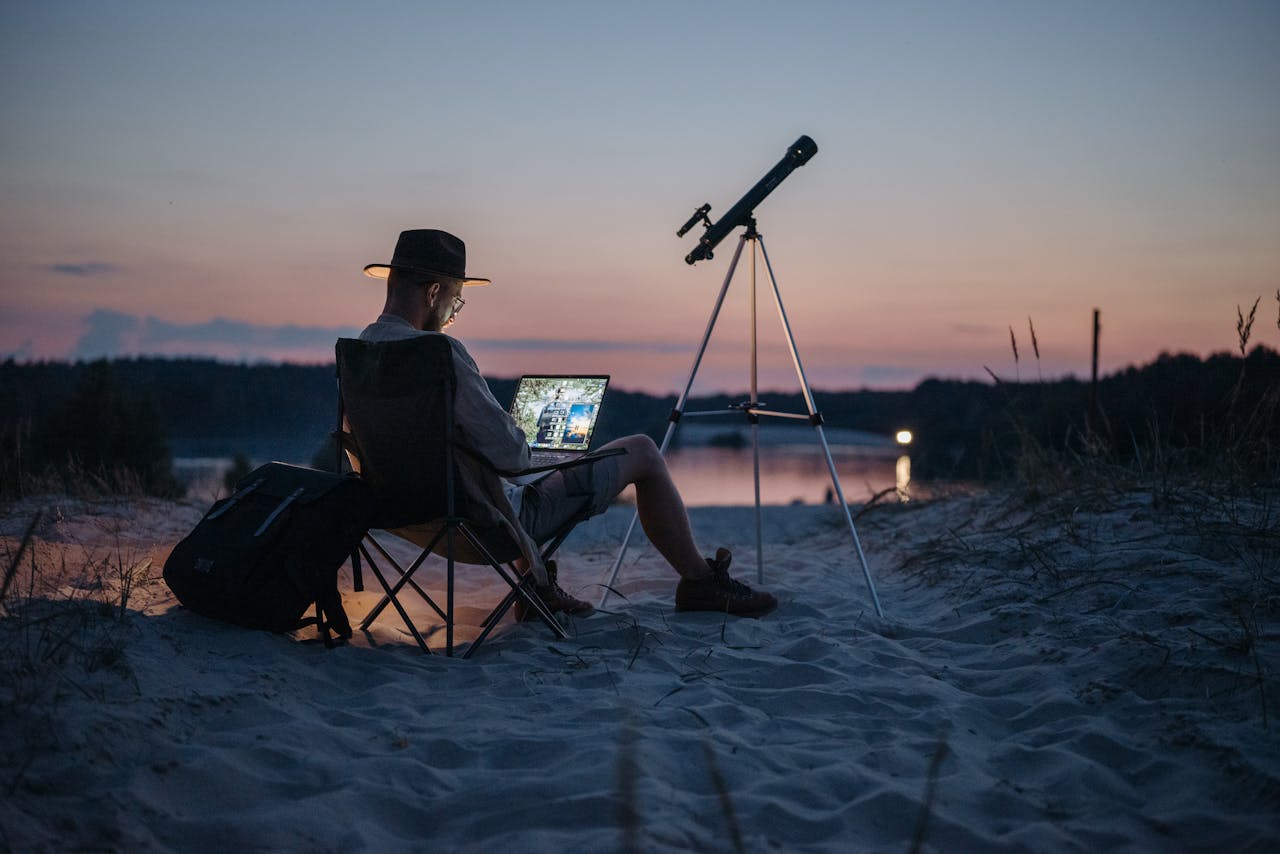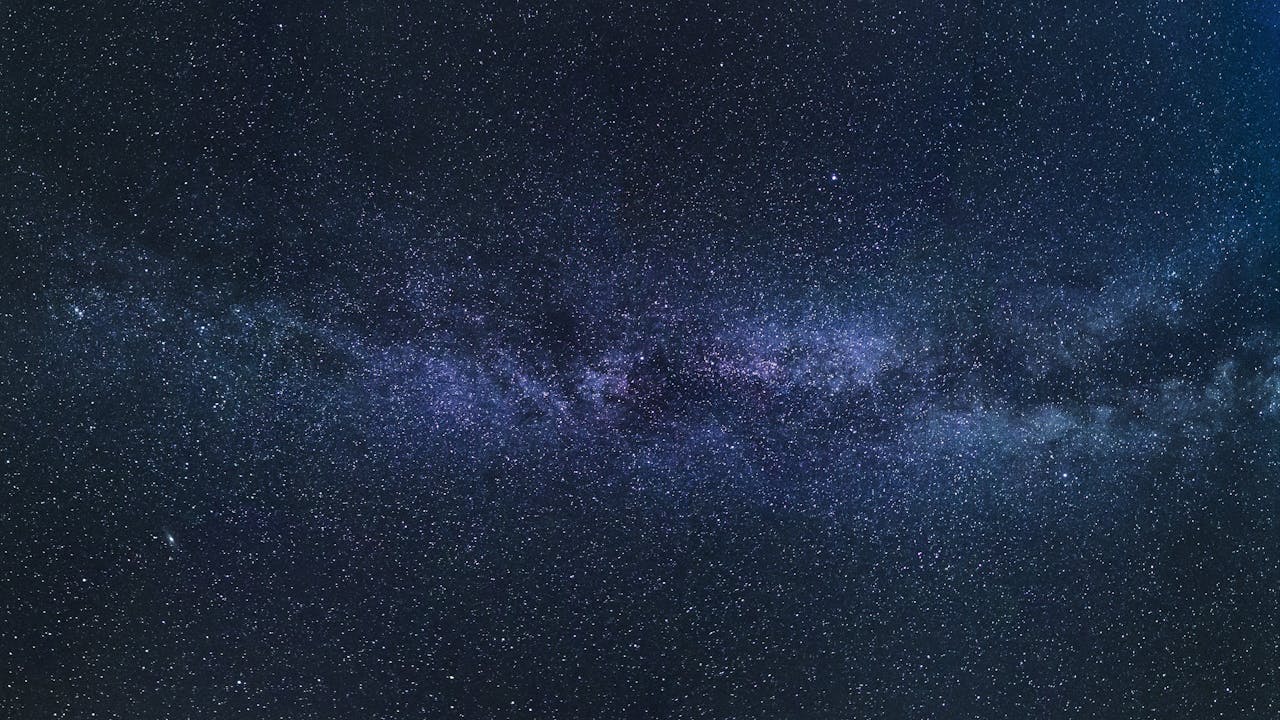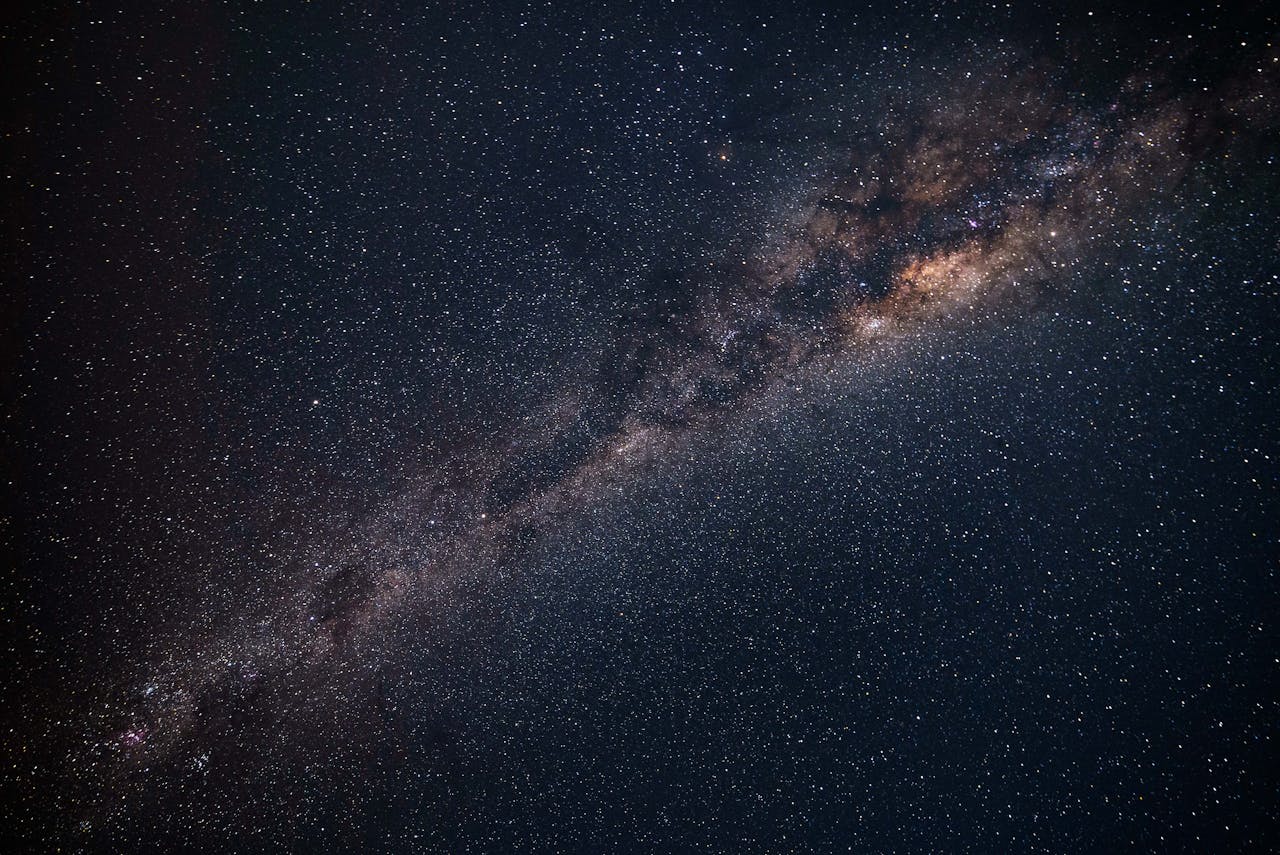
Astrophotography has become an increasingly popular hobby, and having the right telescope is crucial to capturing breathtaking images of the night sky. In this guide, we will explore the best telescopes for astrophotography in 2024, detailing their top features, price ranges, and suitability for both beginners and advanced users. Whether you’re aiming to photograph deep-sky objects or simply want a portable telescope for travel, this comprehensive review will help you make an informed decision.
Best Telescopes for Astrophotography in 2024
Beginner-Friendly Telescopes for Astrophotography 2024
Choosing the best telescopes for astrophotography in 2024 can challenge novices, but certain models excel in ease of use and affordability. The Orion StarBlast 4.5 stands out as a highly recommended entry-level telescope. Its compact design and simple setup process make it ideal for new users. Beginners can capture impressive night sky images with its wide field of view and decent aperture size, without facing a steep learning curve.
The Celestron NexStar 130SLT offers user-friendly features like automated tracking and alignment, which significantly simplify the astrophotography process for newcomers.
Portable Options for Beginners
For those seeking portability, the Sky-Watcher Heritage 100P provides an excellent option. This tabletop telescope boasts high-quality optics and easy handling. It particularly suits wide-field astrophotography, including moon and planet views.
Smart Telescopes for Seamless Experience
Smart telescopes like the Vaonis Stellina offer a seamless experience with integrated digital cameras and automated operation. These features allow beginners to focus on capturing stunning images without worrying about manual adjustments.
Essential Accessories for Beginner Astrophotography
To enhance the astrophotography experience, beginners should consider several key accessories:
1. Sturdy tripod or mount
2. Range of eyepieces
3. Barlow lens
4. Filters (light pollution and narrowband)
5. Remote shutter release or intervalometer
6. Camera adapter
Importance of Stable Mounts
A sturdy tripod or mount plays a crucial role in stabilizing the telescope and ensuring sharp, clear images. Equatorial mounts offer exceptional stability and precise tracking capabilities, vital for long-exposure astrophotography.
Enhancing Image Quality with Accessories
Eyepieces provide different magnifications and fields of view, allowing photographers to capture various celestial objects effectively. A Barlow lens increases the magnification of existing eyepieces, offering greater versatility in imaging.
Filters help reduce light pollution and enhance the contrast of celestial objects. Light pollution filters and narrowband filters prove especially useful for capturing deep-sky objects in urban environments.
Top Features to Look for in an Astrophotography Telescope
When selecting a telescope for astrophotography, consider these key features:
1. Aperture size
2. Mount type
3. Focal length
4. Optical quality
5. Camera compatibility
6. Ease of use and portability
Aperture and Mount Considerations
Aperture size determines the amount of light the telescope can gather, impacting image clarity and detail. A large aperture particularly benefits capturing faint deep-sky objects like galaxies and nebulae.
The mount type significantly affects performance. Equatorial mounts excel in tracking celestial objects accurately, making them highly recommended for astrophotography.
Optical Quality and Compatibility
High-quality lenses or mirrors reduce chromatic aberration and ensure sharp, clear images. Refractor telescopes, known for excellent optical performance, often gain favor among astrophotographers.
Ensure compatibility with digital cameras or DSLRs to easily attach imaging devices to the telescope.
Comparison of the Best Telescopes for Astrophotography
Different telescope types offer various advantages for astrophotography:
Refractor Telescopes
Models like the Sky-Watcher Evostar provide high-quality optics and reduced chromatic aberration, making them top choices for serious astrophotographers.
Reflector Telescopes
The Celestron NexStar series offers large apertures at more affordable price points, ideal for capturing detailed images of the moon and planets.
Portable and Smart Telescopes
For those prioritizing portability, the Orion GoScope provides excellent imaging capabilities while remaining easy to transport and set up.
Smart telescopes like the Unistellar eVscope offer user-friendly experiences with automated tracking and high-resolution imaging.
Price Range of the Best Astrophotography Telescopes
Astrophotography telescopes span a wide price range:
Entry-Level Options (Under $500)
Models like the Celestron AstroMaster offer decent optical performance and ease of use, suitable for beginners.
Mid-Range Telescopes ($500-$1500)
These telescopes, such as the Sky-Watcher ProED series, typically feature larger apertures, better mounts, and improved optical quality.
High-End Telescopes (Above $1500)
Premium models like the Meade LX200 provide the best imaging results and durability for dedicated astrophotographers.
Common Mistakes to Avoid When Starting Out
Beginners should be aware of these common pitfalls:
1. Prioritizing aperture size over optical quality
2. Neglecting the importance of a stable mount
3. Overlooking the impact of light pollution
4. Failing to properly align the telescope
5. Lacking patience and practice
By avoiding these mistakes and following the guidelines in this article, beginners can embark on a rewarding astrophotography journey with the right equipment and knowledge.