What Makes a Smart Telescope Ideal for Astrophotography?
Benefits of Using a Smart Telescope
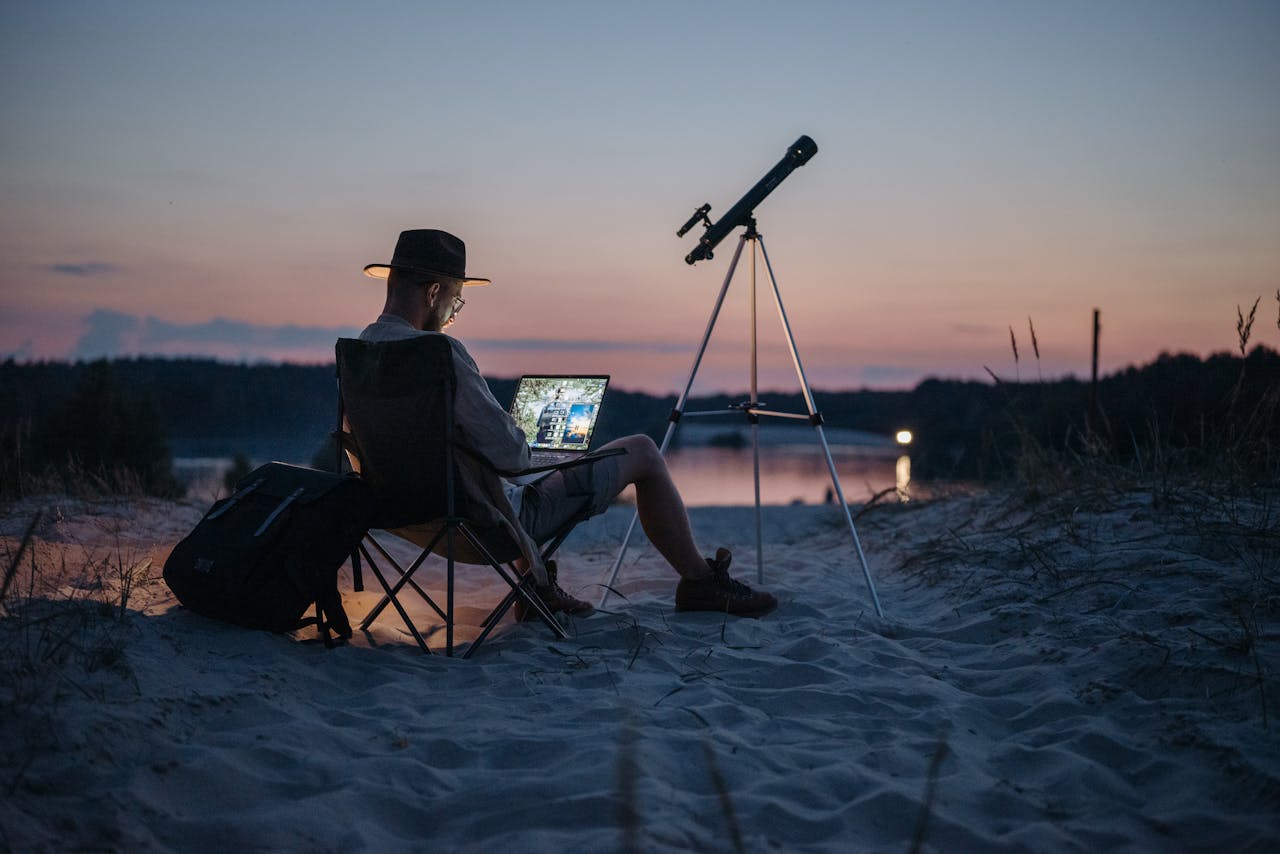
Smart telescopes offer several benefits that make them ideal for astrophotography, particularly for beginners and those seeking convenience. One of the primary advantages is their automated tracking and alignment capabilities, which simplify the process of locating and photographing celestial objects. These telescopes often come with integrated software and GPS, allowing users to quickly set up and start imaging without extensive manual adjustments. This automation reduces the learning curve and makes astrophotography more accessible to a wider audience.
Another benefit is the integration of digital cameras within smart telescopes, eliminating the need for additional camera equipment. This feature allows for seamless image capture and processing, often with the help of companion apps that provide real-time feedback and adjustments. Additionally, smart telescopes typically offer high-quality optics and advanced imaging technologies, ensuring sharp and detailed photos. Portability is another advantage, as many smart telescopes are designed to be lightweight and easy to transport, making them perfect for travel and outdoor use. These features collectively enhance the astrophotography experience, making it more enjoyable and less technically demanding.
Features of the Best Smart Telescopes for Astrophotography
The best smart telescopes for astrophotography come equipped with a range of advanced features that enhance their performance and user experience. High-quality optics are a fundamental component, ensuring clear and detailed images with minimal chromatic aberration. Many smart telescopes feature refractor or reflector designs, offering excellent light-gathering capabilities and sharp focus. Automated tracking and alignment systems are also crucial, allowing the telescope to accurately follow celestial objects and maintain stable imaging over long exposures.
Connectivity and integration with digital devices are key features of smart telescopes. Wi-Fi or Bluetooth connectivity enables users to control the telescope via smartphones or tablets, providing a user-friendly interface for adjustments and image capture. Some models also come with built-in cameras, eliminating the need for external DSLR or digital cameras. Additionally, smart telescopes often include software for image processing and enhancement, allowing users to edit and share their photos easily. These features, combined with portability and ease of use, make smart telescopes an attractive option for modern astrophotographers.
How to Set Up a Smart Telescope for Astrophotography
Setting up a smart telescope for astrophotography involves several steps to ensure optimal performance and image quality. Firstly, it’s important to choose a suitable observation site with minimal light pollution, as this can significantly affect the clarity of the images. Once at the location, assemble the telescope and mount according to the manufacturer’s instructions, ensuring all components are securely attached. Most smart telescopes come with automated alignment features, so follow the prompts on the companion app or control panel to calibrate the telescope accurately.
After alignment, connect the telescope to your digital device via Wi-Fi or Bluetooth, and launch the associated software or app. This connection allows you to control the telescope’s movements, focus, and imaging settings remotely. Adjust the telescope’s focus using the app’s live preview feature, ensuring the target celestial object is sharp and clear. Once everything is set up, you can begin capturing images, using the app to make any necessary adjustments in real-time. Post-processing software can further enhance the captured images, bringing out details and reducing noise. With these steps, setting up a smart telescope for astrophotography becomes a straightforward and rewarding process.
Which Telescopes are Best for Deep-Sky Astrophotography?
Understanding Deep-Sky Objects and Their Requirements
Deep-sky objects, such as galaxies, nebulae, and star clusters, present unique challenges and requirements for astrophotography. These objects are often faint and distant, necessitating telescopes with large apertures to gather sufficient light for clear and detailed imaging. A telescope with a large aperture is crucial for resolving the fine details of these objects and reducing exposure times. Additionally, a long focal length is beneficial for capturing the intricate structures of galaxies and nebulae, offering a higher magnification and narrower field of view.
Another important consideration is the telescope’s mount, with equatorial mounts being preferred for their precise tracking capabilities. Accurate tracking is essential for deep-sky astrophotography, as it allows for long-exposure imaging without blurring caused by the Earth’s rotation. High-quality optics are also vital, with refractor and reflector telescopes being popular choices due to their excellent light-gathering abilities and minimal chromatic aberration. Finally, using filters to combat light pollution and enhance contrast can significantly improve the visibility and detail of deep-sky objects, making them stand out against the background sky.
Top Picks for Deep-Sky Astrophotography in 2024
Several telescopes stand out as top picks for deep-sky astrophotography in 2024, offering the necessary features and performance for capturing stunning images. The Sky-Watcher Esprit 120ED is a highly recommended refractor telescope, known for its exceptional optical quality and large aperture, making it ideal for deep-sky imaging. Its robust equatorial mount ensures precise tracking, essential for capturing detailed long-exposure photos. Another excellent option is the Celestron EdgeHD 800, a reflector telescope praised for its high-resolution imaging and advanced optical design, which minimizes aberrations and enhances image clarity.
The Meade LX85 is another top choice, offering a combination of affordability and performance that appeals to both amateur and experienced astrophotographers. This telescope features a large aperture and sturdy equatorial mount, providing the stability and light-gathering capabilities needed for deep-sky imaging. For those seeking a more portable option, the William Optics Zenithstar 61 is a compact refractor telescope that delivers impressive optical quality and ease of transport, making it perfect for on-the-go astrophotography. These top picks represent the best telescopes available for deep-sky astrophotography in 2024, catering to a range of needs and preferences.
Best Mount Types for Deep-Sky Imaging
The choice of mount is critical for deep-sky imaging, as it directly impacts the stability and tracking accuracy of the telescope. Equatorial mounts are widely considered the best option for deep-sky astrophotography due to their ability to track celestial objects precisely by counteracting the Earth’s rotation. This precise tracking is essential for long-exposure photography, which is often required to capture the faint details of deep-sky objects. High-quality equatorial mounts, such as the Sky-Watcher EQ6-R Pro, offer robust performance and support for heavier telescopes, ensuring stability and smooth tracking.
Another popular mount type for deep-sky imaging is the German equatorial mount (GEM), known for its versatility and precision. GEMs like the Losmandy G11 are favored for their ability to carry heavy payloads and provide accurate tracking, making them suitable for large telescopes used in deep-sky astrophotography. For those seeking portability without sacrificing performance, lightweight equatorial mounts like the iOptron CEM40 offer a good balance of stability and ease of transport. These mounts are designed to be compact and portable while still delivering the precise tracking needed for deep-sky imaging. Choosing the right mount is crucial for achieving the best results in deep-sky astrophotography.
Are There Budget-Friendly Options for Astrophotography?
Best Budget Telescopes for Astrophotography
Astrophotography doesn’t have to be an expensive hobby, and there are several budget-friendly telescopes that offer excellent performance. The Celestron AstroMaster 130EQ is a highly recommended entry-level reflector telescope, providing a good balance of affordability and optical quality. Its manual equatorial mount allows for precise tracking, making it suitable for capturing images of the moon, planets, and brighter deep-sky objects. Another great option is the Orion StarBlast 4.5, a compact and portable reflector telescope that offers impressive imaging capabilities for its price range.
The Meade Polaris 130 EQ is another budget-friendly telescope that stands out for its ease of use and decent aperture size. This reflector telescope comes with a sturdy equatorial mount, allowing for stable and accurate tracking of celestial objects. For those who prefer a refractor design, the Celestron PowerSeeker 80EQ provides good optical performance and is easy to set up, making it a popular choice among beginners. These budget telescopes offer a great starting point for those looking to explore astrophotography without breaking the bank.
How to Optimize Your Budget for Astrophotography
Optimizing your budget for astrophotography involves making strategic choices to get the best value for your money. One effective strategy is to prioritize the core components, such as the telescope and mount, and consider upgrading accessories later. Investing in a high-quality entry-level telescope with a decent aperture and stable mount can provide a solid foundation for your astrophotography setup. Additionally, consider purchasing used equipment from reputable sources, as this can significantly reduce costs while still offering good performance.
Another way to optimize your budget is to start with essential accessories and gradually expand your collection. Focus on acquiring a few key items, such as a sturdy tripod, a range of eyepieces, and basic filters for light pollution. As you gain experience and identify specific needs, you can invest in more specialized accessories, such as advanced filters or a dedicated astrophotography camera. Joining astronomy clubs or online forums can also provide valuable insights and recommendations on budget-friendly equipment and techniques. By making informed decisions and prioritizing essential components, you can maximize your budget and achieve great results in astrophotography.
Affordable Accessories to Enhance Your Astrophotography
Several affordable accessories can significantly enhance your astrophotography experience without adding a substantial cost. One of the most valuable accessories is a basic set of filters, such as light pollution filters and color filters, which can improve image contrast and detail. Light pollution filters are particularly useful for urban environments, helping to reduce the effects of artificial lights and enhance the visibility of celestial objects. Color filters can bring out specific features of planets and enhance the overall image quality.
Another affordable accessory is a Barlow lens, which increases the magnification of your existing eyepieces, providing greater versatility in your imaging. A remote shutter release or intervalometer is also a cost-effective addition, allowing for long-exposure photography without introducing vibrations. Additionally, a dew shield is a simple yet valuable accessory that prevents moisture from condensing on the telescope’s optics, ensuring clear and unobstructed views. These affordable accessories can greatly improve the quality and ease of your astrophotography, making the most of your budget.